

Planned Giving
Planned Giving
Planned giving allows anyone to make a substantial contribution to Grace House, regardless of income or financial status. It is a way to level the playing field, giving everyone a chance to become a philanthropist and make a difference. And it provides significant financial benefits to you as well.

What Is Planned Giving?
When you write a check or give cash to Grace House, you are making what’s sometimes referred to as a “current gift.” In addition to making current gifts, many donors also choose to make future gifts to us. These structured, future gifts to Grace House are often referred to as “planned giving” because, well, they require planning! Planned gifts are an important way for you to help our organization build its sustainability and ensure that our mission stays strong for generations to come.
Is a Planned Gift Right for You?
Here are a few ideas to help you decide whether making a planned gift to Grace House might be right for you.
Talk with our Development team at Grace House about what you have in mind and what areas of our mission you would like to support; you can start here by reviewing our planned giving kit.
Talk with your legal and tax advisors to determine the best assets to deploy toward your planned gift.
After you’ve talked with your legal and tax advisors, we’ll set up a time to discuss your planned gift as a group – you, your advisors, and our team. Together, we will evaluate the options, and you will make the decision about the type of planned gift.
There are many reasons you might decide to make a future gift to support Grace House’s mission.
Here are a few:
You want to leave a legacy to the community after your death so that your commitment to Grace House continues beyond your lifetime.
You want to ensure that your family members can experience the joy of giving after you’re gone by participating in giving a portion of your assets to Grace House.
You want to make the most of tax benefits associated with setting up a future gift to charity, including avoiding capital gains tax, securing an income tax deduction up front, and even retaining a life income stream.
You own certain assets that are not suitable for leaving to family members but would make ideal gifts to Grace House.
Popular Types of Planned Gifts
If you’ve put together an estate plan with the help of an attorney, you’re likely familiar with the term “bequest.” A bequest is an instruction for assets or money to transfer to a person or charity following your death.
Here are ways you can leave a bequest to Grace House:
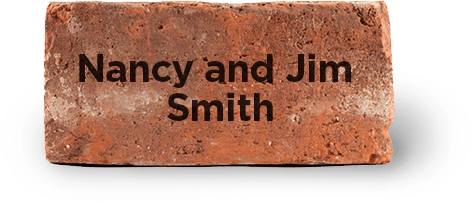
Purchase a Paver to Leave a Lasting Mark.
If you aren’t ready to make a planned gift, but would like to leave a lasting mark, consider purchasing a paver for our courtyard. The Philip H. Maynard Faith & Reflection Courtyard is a tranquil space where residents, friends and loved ones take crucial steps in their journey. The courtyard’s walkway, is constructed with personalized
paver bricks offering inspiring messages, commemorating special occasions, recognizing families or honoring those we’ve lost. These bricks show our residents they aren’t alone and that their legacy will live on, even after they are gone. Please consider joining our Evergreen Circle by making a tribute gift of any size.

Stay Connected.

Be Inspired.

Make a Difference.
Stay Connected. Be Inspired. Make a Difference.
Join our community of compassionate supporters and be the first to hear heartwarming stories, exciting event updates, and impactful ways to support Grace House Akron.
Heartfelt resident stories
See how your support changes lives.
Exclusive updates
Stay informed about upcoming events & volunteer opportunities.
Inspiring ways to give
Learn about new ways to help bring comfort & diginity to those in need.
Sign Up To Get Impact Updates.
By submitting this form, you are consenting to receive marketing emails from: Grace House Akron. You can revoke your consent to receive emails at any time by using the SafeUnsubscribe® link, found at the bottom of every email. Emails are serviced by Constant Contact